
History of 3D Printing: Filament Types & Industry Growth | DNA 3D Prints
 A Brief History of 3D Printing
 A Brief History of 3D Printing
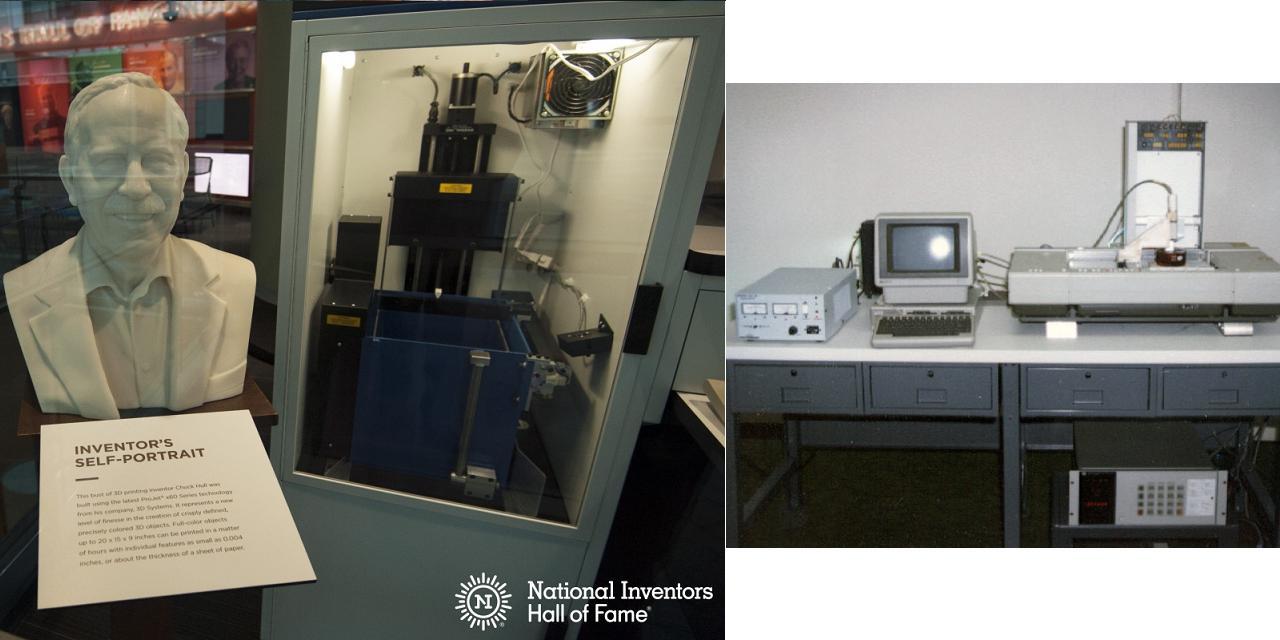
3D printing began in the early 1980s when Chuck Hull invented stereolithography (SLA), a process that used UV lasers to solidify layers of resin. This led to the first commercial 3D printer, the SLA-1, in 1987—marking the birth of additive manufacturing.
The Rise of Filament-Based Printing
 The Rise of Filament-Based Printing
In the 1990s, Fused Deposition Modeling (FDM) emerged, using thermoplastic filaments like PLA and ABS. This method became the most accessible form of 3D printing, especially for hobbyists and small businesses.
Filament Diversity: Beyond the Basics
 Filament Diversity: Beyond the Basics
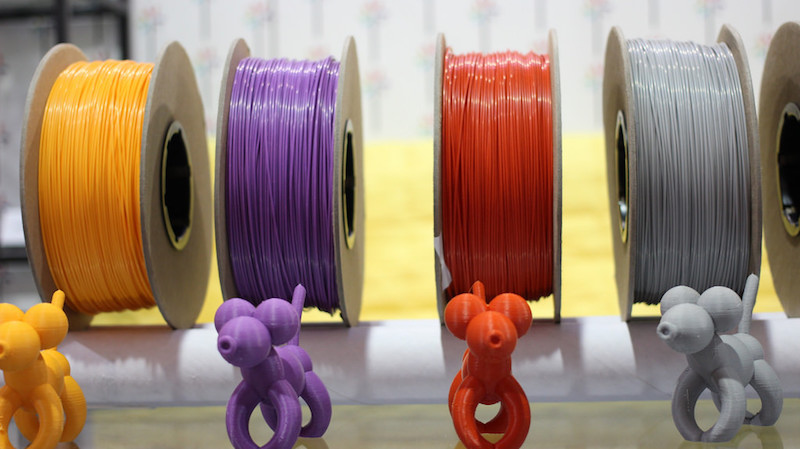
Today’s filaments go far beyond PLA and ABS. You’ll find wood-infused, metal-filled, carbon fiber, and flexible TPU options. Each material offers unique properties—from strength and flexibility to aesthetic finishes.

Industry Growth: From Niche to Global Force
 Industry Growth: From Niche to Global Force
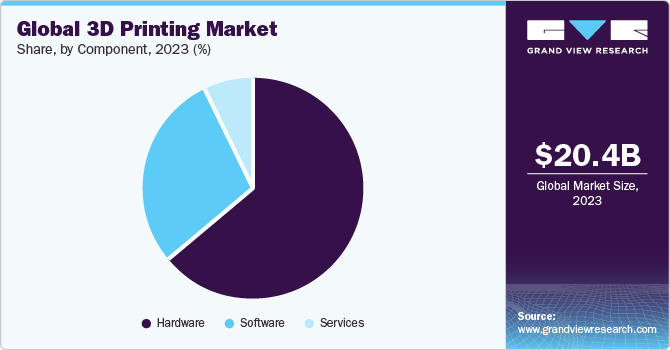
The global 3D printing market was valued at over $20 billion in 2023 and is projected to reach $88 billion by 2030. Industries like aerospace, healthcare, automotive, and fashion are embracing additive manufacturing for its speed, customization, and sustainability.
The Creative Frontier: What’s Next?
 The Creative Frontier: What’s Next?
From custom dragons to wedding keepsakes, creators are pushing the boundaries of what’s possible. AI-driven design, bioprinting, and sustainable filaments are shaping the next chapter of this revolution.
Final Thoughts
 Final Thoughts
Whether you’re a maker, dreamer, or entrepreneur, 3D printing offers a canvas limited only by imagination. As the technology evolves, so does the opportunity to turn ideas into tangible, meaningful creations.
Ready to bring your ideas to life? Explore our custom lithophanes, fantasy dragons, and wedding keepsakes at DNA 3D Prints and Technologies and follow us on Instagram for daily inspiration!