Discover the history of 3D printing, from its early invention to modern industrial use, and learn how this groundbreaking technology powers innovation at DNA3D Printing and Tech.
Introduction: Why the History of 3D Printing Still Matters Today
The history of 3D printing is more than a timeline of machines and materials—it’s a story of innovation, problem-solving, and technological courage. What began as a niche prototyping method has evolved into a core manufacturing technology used across industries such as healthcare, aerospace, construction, and education.
At DNA3D Printing and Tech, we work daily with technologies rooted in decades of experimentation and progress. Understanding where 3D printing came from helps businesses and creators appreciate its current power—and its future potential.
The Origins of 3D Printing (1980s): Where It All Began
The Birth of Additive Manufacturing
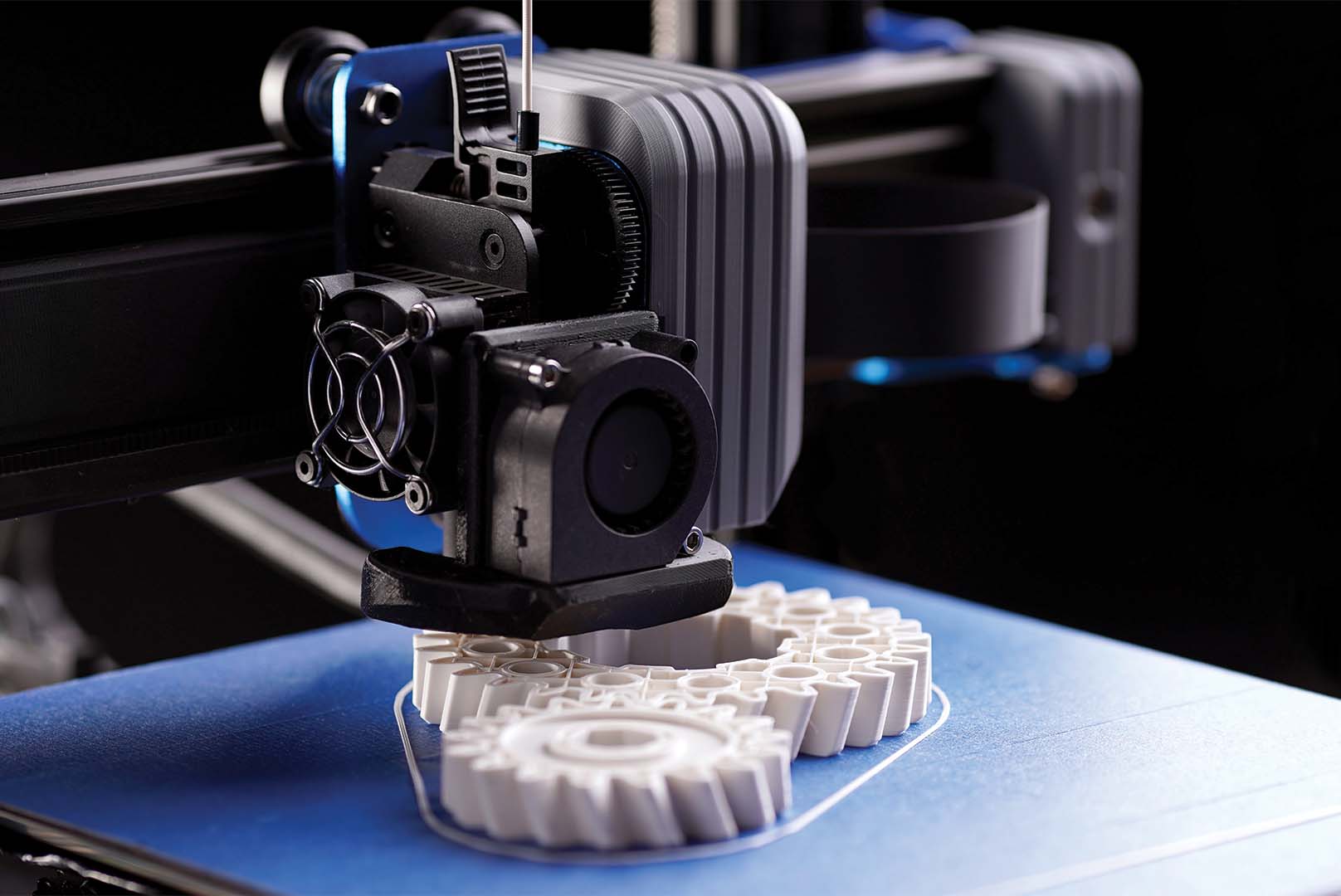
3D printing, also known as additive manufacturing, emerged in the early 1980s. Unlike traditional manufacturing methods that remove material, additive manufacturing builds objects layer by layer from digital designs.
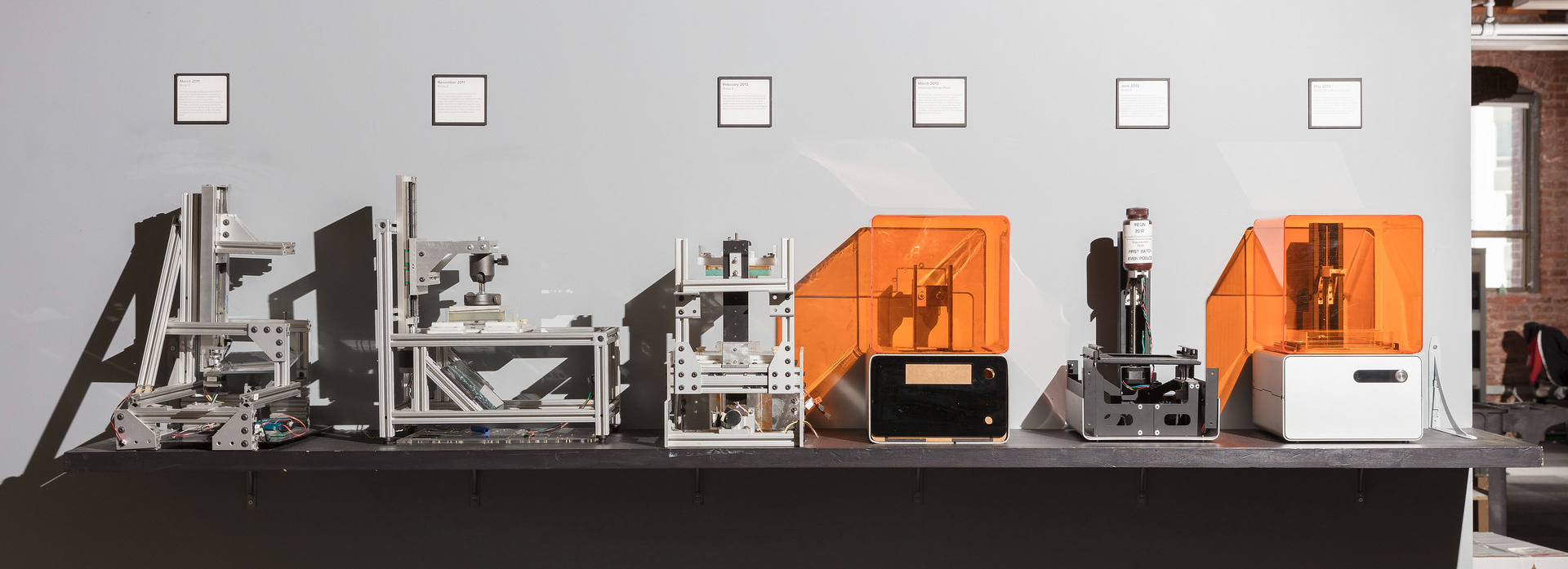
In 1984, American engineer Chuck Hull invented stereolithography (SLA), the first 3D printing process. He later founded 3D Systems, a company that still leads the industry today. SLA used ultraviolet light to cure liquid resin into solid objects—an idea that changed manufacturing forever.
This breakthrough allowed engineers to:
- Rapidly prototype designs
- Reduce product development costs
- Shorten time-to-market
The 1990s: From Prototypes to Practical Use
Expanding Technologies and Materials
During the 1990s, new methods emerged, including:
- Fused Deposition Modeling (FDM)
- Selective Laser Sintering (SLS)
These innovations expanded material options to include plastics, nylon, and powdered metals. Industries such as automotive and aerospace quickly adopted the technology for functional prototypes.
Although machines were expensive and limited to large corporations, the foundation for today’s accessible 3D printing ecosystem was firmly laid.
The 2000s: Open-Source Innovation and Wider Adoption
The RepRap Movement
A major turning point came in 2005 with the RepRap Project, an open-source initiative aimed at creating self-replicating 3D printers. This movement drastically reduced costs and democratized access to 3D printing.
As patents expired, desktop printers became available to:
- Small businesses
- Schools and universities
- Entrepreneurs and hobbyists
This era marked the transition of 3D printing from industrial labs to homes and startups.
The 2010s: Industrial Expansion and Real-World Impact
From Novelty to Necessity
By the 2010s, 3D printing was no longer experimental—it was essential. Industries began using it for end-use parts, not just prototypes.
Key milestones included:
- Custom medical implants and prosthetics
- Lightweight aerospace components
- On-demand manufacturing solutions
According to Wohlers Associates, additive manufacturing experienced double-digit growth throughout the decade, proving its long-term value.
3D Printing Today: Powering Innovation at DNA3D Printing and Tech
At DNA3D Printing and Tech, we leverage the lessons and technologies developed throughout the history of 3D printing to deliver reliable, high-quality solutions for South African businesses and creators.
What Modern 3D Printing Offers
- Rapid prototyping
- Custom part production
- Cost-effective short-run manufacturing
- Design freedom impossible with traditional methods
Our expertise ensures that clients benefit from cutting-edge tools built on decades of innovation.
👉 Learn more about our services at https://www.dna3dprint.co.za
The Future: What’s Next for 3D Printing?
The next chapter includes:
- Metal additive manufacturing at scale
- Bioprinting of tissues and organs
- Construction-scale 3D printing
- Sustainable, recyclable materials
As technology evolves, companies like DNA3D Printing and Tech remain at the forefront—bridging history with the future.
Frequently Asked Questions (FAQs)
1. Who invented 3D printing?
Chuck Hull invented the first 3D printing technology (SLA) in 1984.
2. What was 3D printing originally used for?
It was primarily used for rapid prototyping in industrial design.
3. When did 3D printing become affordable?
After 2005, with open-source projects and expired patents.
4. Is 3D printing used in South Africa?
Yes, companies like DNA3D Printing and Tech actively provide local solutions.
5. What industries use 3D printing today?
Healthcare, aerospace, automotive, education, construction, and consumer products.
6. Why is understanding the history important?
It helps businesses adopt the technology more strategically and confidently.
Conclusion: From Vision to Reality
The journey from a single invention in the 1980s to a global manufacturing revolution proves how powerful innovation can be. The history of 3D printing shows us that bold ideas, when paired with persistence, can reshape entire industries.
At DNA3D Printing and Tech, we honor that legacy by delivering forward-thinking solutions built on proven technology.
🖼️ Related Visuals: The Evolution of 3D Printing